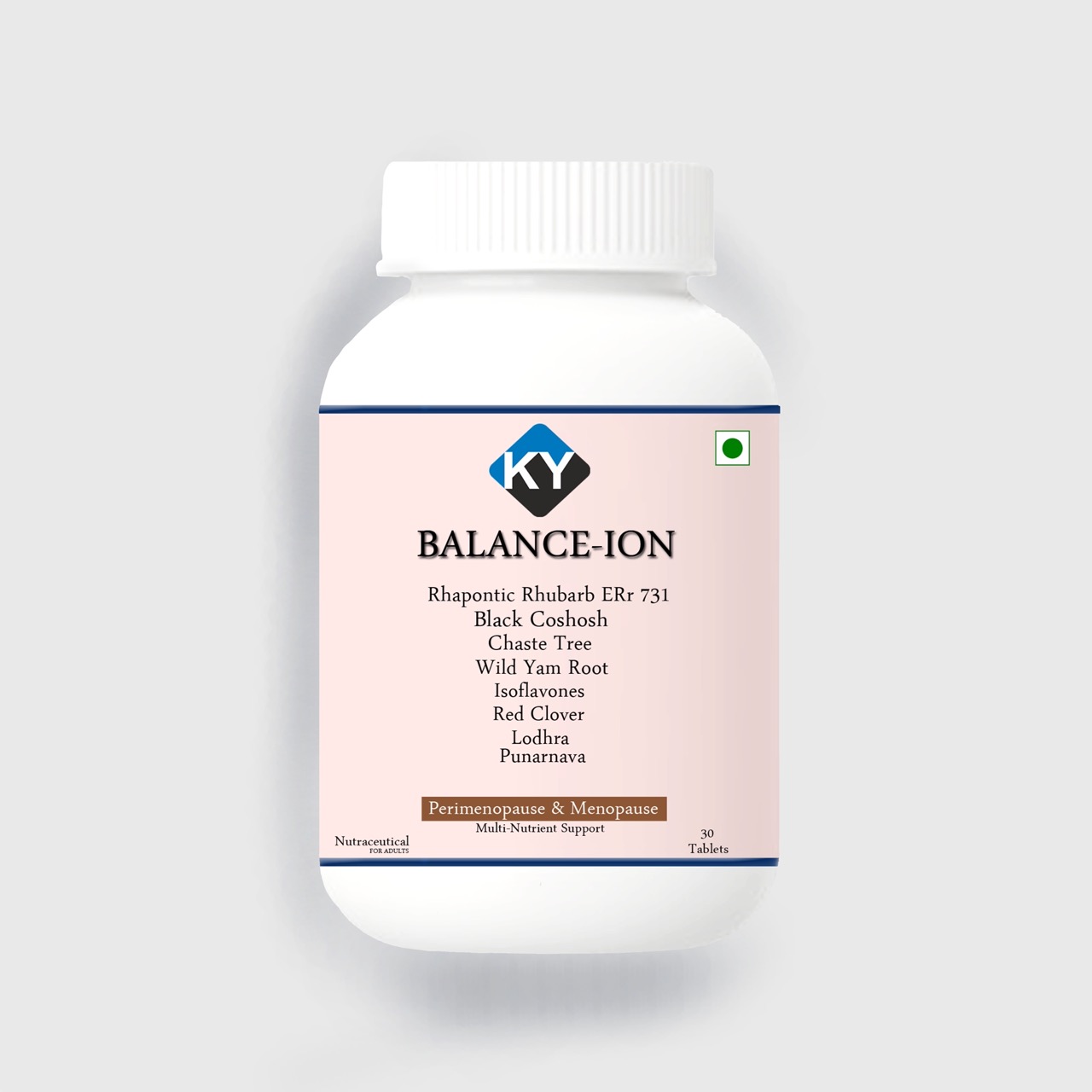
Rhapontic Rhubarb Err 731:
-
Rhapontic rhubarb root extract contains compounds like rhaponticin and desoxy-rhaponticin that bind to estrogen receptors in the body. These phytoestrogens primarily interact with estrogen receptor-beta (ER-β), which is associated with the regulation of the nervous system, bone health and cardiovascular function
Black Cohosh:
- Menopause symptom relief: Black cohosh is traditionally used for hot flashes, night sweats, and other menopausal symptoms. Some studies suggest it may be helpful, but more research is needed.
Chaste Tree Extract:
- Menstrual cycle regulation: Chaste tree is often used to help regulate menstrual cycles and alleviate premenstrual syndrome (PMS) symptoms.
- Hormonal balance: It may help with certain hormonal imbalances, but it's important to consult a healthcare professional before using it, especially if you have a hormonal condition.
Wild Yam Root Extract:
- Potential for menopause and PMS relief: Some people use wild yam for menopausal symptoms and PMS, but scientific evidence to support these uses is limited.
Isoflavones:
- Soy-based: Isoflavones are plant compounds found in soy.
- Potential heart health benefits: Some studies suggest they may have a role in heart health.
- Menopause symptom relief: They are sometimes used for menopausal symptoms, but results are mixed.
Red Clover:
- Isoflavones: Red clover also contains isoflavones.
- Potential for menopause symptom relief: It's sometimes used for hot flashes, but research is inconclusive.
Lodhra:
- Traditional Ayurvedic medicine: Lodhra is used in Ayurvedic medicine for various conditions, including menstrual disorders and skin problems.
- Astringent properties: It has astringent properties, which may help with excessive bleeding.
Punarnava:
- Traditional Ayurvedic medicine: Punarnava is another Ayurvedic herb used for kidney and urinary tract health, as well as for its potential anti-inflammatory properties.
Ashwagandha:
- Adaptogen: Ashwagandha is an adaptogen, meaning it may help the body manage stress.
- Potential benefits: It's being studied for various potential benefits, including reducing anxiety, improving sleep, and supporting cognitive function.
Shatavari:
- Traditional Ayurvedic medicine: Shatavari is used in Ayurvedic medicine, particularly for women's health.
- Reproductive health: It's believed to support reproductive health and may have some benefits for menopausal symptoms.
Vitamin D:
- Bone health: Vitamin D is essential for calcium absorption and bone health.
- Immune function: It also plays a role in immune function.
- Other potential benefits: Research suggests it may have other roles in health, but more studies are needed.
Vitamin E:
- Antioxidant: Vitamin E is an antioxidant that helps protect cells from damage.
- Skin health: It's sometimes used in skin care products.
Vitamin C:
- Immune support: Vitamin C is important for immune function.
- Antioxidant: It's also an antioxidant.
- Collagen production: It's needed for collagen production, which is important for skin health and wound healing.